

Play it Safe app icon CBR

Play it Safe

A pocket guide to harm reduction in the ACT

FastigiataLab · Fastigiata-systems@proton.me

First things first...

Aboriginal flag Torres Strait Islander flag

Acknowledgement is paid to the Ngunnawal people, traditional custodians and sovereign owners of the lands of the ACT and surrounding region. Recognition is given to their elders and community for their continuing culture and ongoing custodianship.

Using Play it Safe

Play it Safe is a free community resource. Australia-wide, overdose deaths exceed the loss of life on Australian roads. In the ACT, 25 people died from overdose in 2024. In September 2026, ACT Policing reported seven suspected overdose deaths in the previous month. Every one of these lives mattered.[1] [2] [3]

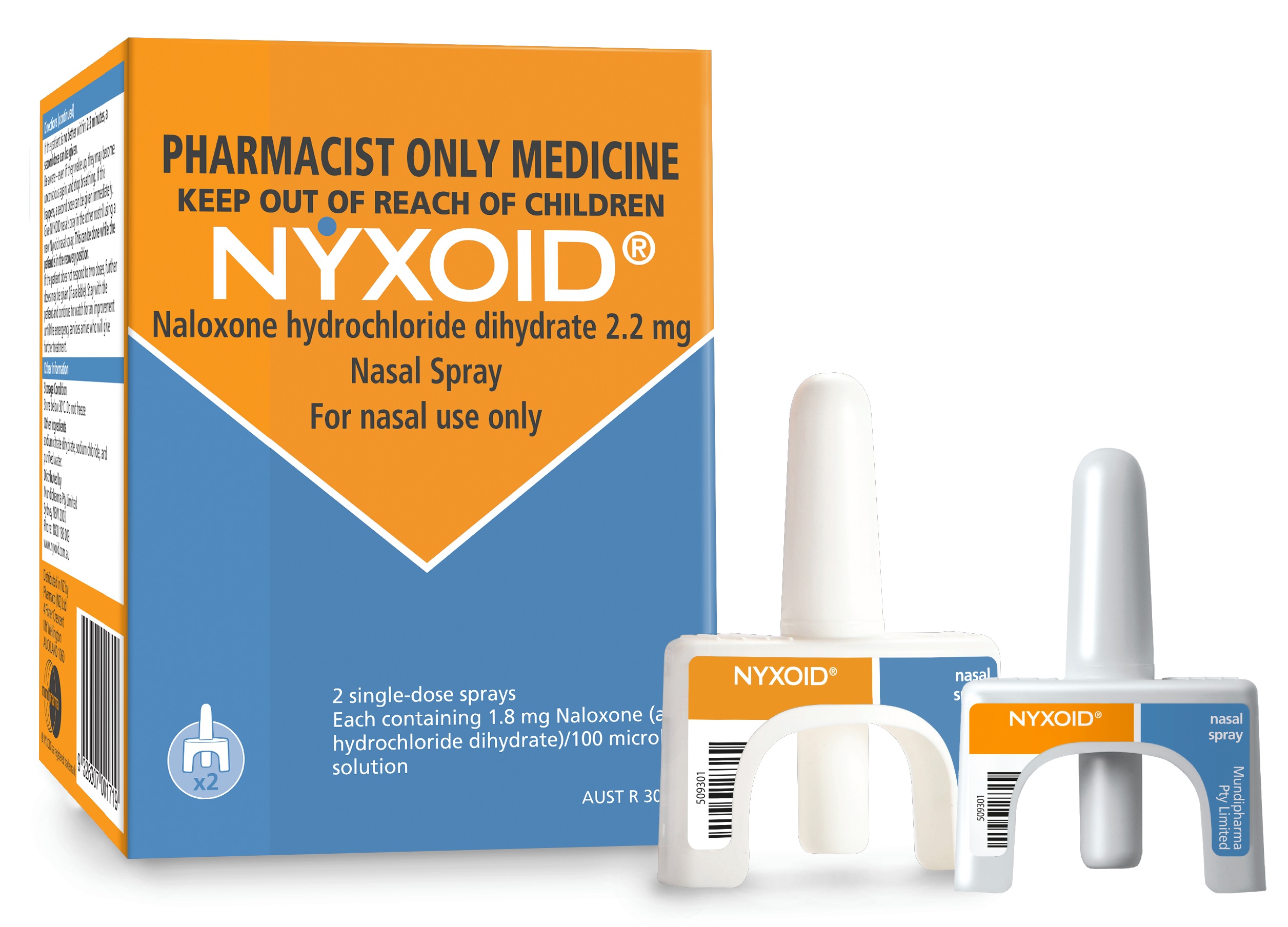
Opioids remain the most common drug type involved in overdose deaths, alone or in combination with alcohol or other substances. Naloxone can temporarily reverse overdoses caused by opioids, including synthetic opioids like fentanyl. Naloxone is available for FREE in Canberra. Naloxone can save lives; knowing CPR can save lives. Always call 000 for a suspected overdose, even if naloxone has been given.[4] [5]

Play it Safe will let you know where to get naloxone, and how to administer it. Your action could save a life.

Play it Safe contains vital information where you need it: in your pocket, on your phone. Play it Safe provides you with critical information, including:

  • Direct contact with Emergency Services
  • Instructions and timing for CPR in an emergency
  • Step-by-step instructions for giving Naloxone in an emergency

Play it Safe is your direct connection to CanTEST. Find out how and where to get pills tested and get the latest alerts.

Play it Safe provides connection to harm reduction information, an interactive guide to dangerous substance combinations, dose and hydration timers, and up-to-date legal information.

Play it Safe is also a connection point to CAHMA and Directions Health as frontline services.

Source
  1. Penington Institute (2026)
  2. Region (2026)
  3. ACT Policing (2026)
  4. Australian Government: Naloxone access
  5. NSW Health: Opioid overdose response

Connect Locally

In the ACT there are two critical services providing frontline alcohol and other drug services to the Canberra Community. Play it Safe is a local independent resource connecting you to CAHMA and Directions Health, their core programs & services and provides direct connection to their websites.[1] [2]

Source
  1. CAHMA
  2. Directions Health

The Canberra Alliance for Harm Minimisation and Advocacy (CAHMA) stands alongside people who use drugs and people accessing drug treatment. It backs people’s rights to health, dignity and respect, and challenges the stigma and discrimination attached to substance use.[1]

CAHMA is a peer organisation which shapes its programs, services and connection to the community. At CAHMA people are met without judgement, listened to and supported to make their own choices about their own health and wellbeing. The CAHMA peer model is more than just providing a service; it’s about building relationships, sharing knowledge and strengthening the place of people in their community.

The CAHMA peer model starts at their drop-in centre—a safe and inclusive space located in Belconnen. From the centre CAHMA offers access to peer treatment support, naloxone training and a regular health clinic.

Visit CAHMA’s website to explore its organisation, mission, harm reduction work and peer support and much more.

Source
  1. CAHMA

CAHMA drop in centre

Level 1, Belconnen Churches Centre
Corner of Cohen Street and Benjamin Way
Belconnen ACT 2617[1]

Drop in: 10am–4pm weekdays. Relax with tea or coffee and chat with a peer support worker.

Get directions
Source
  1. CAHMA

Directions Health provides services for people living with alcohol and other drug concerns. Services are grounded in harm minimisation and are provided in a non-judgemental and respectful manner. Directions Health recognises the complexity and individuality of substance use, welcoming people accessing their services at whatever stage of recovery they are at.[1]

Directions Health works to support the health and wellbeing of people experiencing substance use concerns and works holistically across the recovery arc. Directions offers a broad range of client services including but not limited to:

  • Non-judgemental primary health care and GP access via Directions Health’s Althea Wellness Centre in Woden.[2]
  • Counselling and SMART Recovery support groups embedded in the community.
  • A residential detox and therapeutic community facility.
  • Primary Needle & Syringe Program (NSP) services in Civic and Woden.
  • Chat with Pat primary healthcare outreach services that bring holistic and non-judgemental health care to marginalised communities.
Source
  1. Directions Health
  2. Directions Health: Althea Wellness Centre

NSP Service Finder

In the ACT there are two primary NSPs operated by Directions Health. NSPs provide access to clean injecting equipment.[1]

Alongside these primary NSP services, clean equipment is available through secondary NSP services, community pharmacies and vending machines.

Tap below to find a map of NSP services in the ACT.

Source
  1. Directions Health: NSP services and locations

CAHMA x Directions

A primary health care clinic runs bi-weekly on Thursdays from 10am–4pm at the CAHMA drop-in centre. Directions Health provides a GP and nurse who offer a non-judgemental, supportive and confidential service to community members in the safety of the CAHMA drop-in centre. Due to high demand, this service is only available to people with prior or current service history with Directions Health.[1]

Source
  1. CAHMA Clinic

Art as therapy

Hood Picasso — CAHMA Art

Art is a way to free the spirit and free the mind. At CAHMA they take this seriously and provide peer driven opportunities for people to come and just create. Whether it is pencil drawing or acrylic pour works like the banners of this app by Jaz Sedmik, they are proud to support the work of their peers. Check out the gallery below.[1]

Source
  1. CAHMA Art
FREE FIXED LOCATION TESTING

CanTEST Health & Drug Checking Service

Australia's first fixed-site health and pill testing service. Free, confidential, anonymous, and legal chemical testing with harm reduction consultations. [1]

Canberra City Health Building · 1 Moore St, Civic

📍 Open in Maps (Civic)
Source
  1. CanTEST service information

🕒 Operating Days & Hours[1]

Getting There: 2-minute walk from Alinga Street Light Rail Station and Civic Bus Interchange. Entry is directly via Moore Street.
Source
  1. CanTEST service information

🔬 How Testing Works (4 Steps)[1]

  1. Anonymous Entry: No ID, no Medicare card, no name required.
  2. Tiny Sample Scraping: Only 5–10mg (smaller than a match head) is tested.
  3. Spectrometry Analysis: FTIR spectrometry and test strips detect active drugs and toxic cuts.
  4. Health Consultation: Discuss potency, safer dosing, or use the free disposal bin.
✓ Also available free on-site: Take-Home Naloxone, Fentanyl & Nitazene strips, and drop-in nursing care.
Source
  1. CanTEST service information

🚨 Drug alerts

The Know shares drug alerts issued from all states and territories in Australia to build public awareness of emerging drugs of concern and support people who use drugs and communities to reduce the risk of harm.[1]

Source
  1. The Know: Drug alerts

⚖️ ACT Drug Decriminalisation Laws

Since 28 October 2023, personal possession of small quantities of illicit substances is treated as a health matter rather than a criminal conviction in the ACT. [1]

Maximum Small Quantities for Civil Notice:

What happens if intercepted: Police may issue a Simple Illicit Drug Offence Notice (SIDON) - a $100 fine OR referral to an assessment & education session with Canberra Health Services (CADAS). No criminal record is created.

Important: Dealing, commercial supply, and driving under the influence (RDT) remain serious criminal offences.

Source
  1. ACT Government: Drug law reform
Take Home Naloxone Program · 100% Free in ACT

Naloxone Saves Lives

Naloxone temporarily reverses life-threatening opioid overdoses (including heroin, fentanyl, oxycodone, and nitazenes). It is completely non-addictive and harmless if given when no opioids are present. If you are in doubt it is better to give Naloxone than not. [1] [2]

Naloxone
Source
  1. Australian Government: How to administer naloxone
  2. Australian Government: Naloxone access

Signs of an opioid overdose

Cannot be woken? Breathing slowly, irregularly or not at all?[1]

Call 000. Give naloxone if available. If unresponsive and not breathing normally, start CPR and follow the operator’s instructions.

Source
  1. NSW Health: Opioid overdose response

How to use Naloxone — Step by Step

Step-by-step clinical protocol for life-saving intervention. Tap each dot to know your next step.[1] [2] [3]

1. Check Response & Stimulate

Standard Resuscitation Protocol
Source
  1. Australian Government: How to administer naloxone
  2. ANZCOR: CPR
  3. NSW Health: Opioid overdose response

🔍 Recognizing Overdose vs Overamping vs G-Sleep[1] [2] [3]

Opioid Overdose
Requires Naloxone + 000
  • Pinpoint / constricted pupils
  • Breathing stopped or slow (<8 bpm)
  • Gurgling or snoring ('death rattle')
  • Blue/grey lips or fingertips
  • Limp and unarousable body
Stimulant Overamping
Calm Space + Medical Care
  • Racing heart (>140 bpm) & chest pain
  • Extreme sweating / hot burning skin
  • Severe agitation, panic, paranoia
  • Rigid muscles & jaw clenching
  • Call 000 if chest pain or seizing
GHB / GBL 'G-Sleep'
Recovery Position + 000
  • Sudden deep coma / unconscious
  • Irregular or gasping breathing
  • Twitching or jerking limbs
  • High risk of choking on vomit
  • Never leave on back; call 000!
Source
  1. NSW Health: Opioid overdose response
  2. ADF: Methamphetamine
  3. ADF: GHB

📍 Free Take-Home Naloxone Outlets in Canberra

Available free with no prescription, no cost, and no Medicare card required. [1]

Source
  1. Australian Government: Naloxone access

Naloxone Training in the Workplace

Is your workplace ready in the event of an overdose? Don’t leave it to chance. CAHMA will come to your workplace and deliver training to your staff and provide your workplace with a supply of naloxone for the workplace first aid kit.[1]

Naloxone is also available by post. If you need information about training or getting a supply of naloxone, contact CAHMA.

Source
  1. CAHMA: Naloxone training and supply

Test Your Knowledge

It may seem simple, but check you are naloxone ready with this short 5-question quiz.[1] [2]

Source
  1. Australian Government: How to administer naloxone
  2. NSW Health: Opioid overdose response
Harm Reduction Information

Drug Identification & Safety

Inside this section find a searchable, filterable index of pharmacological and harm reduction sheets. [1] [2]

Source
  1. ADF Drug Facts
  2. TGA: Pregabalin and gabapentin

Photos show examples only. Appearance cannot confirm contents, purity or strength. Mushroom photos are not an identification guide.

Interactive Checker

Combining Substances Interactive

Mixing substances can be intentional or unplanned. Either way, mixing different substances with each other or with alcohol is a leading cause of drug and alcohol related harm, hospitalisations and accidental death. Use the interactive checker to understand the risks by selecting two substances. [1]

Source
  1. ADF: Polydrug use

🔄 Select Pair to Check

Risk Classification Scale

🔴 Dangerous / Life-Threatening: Risk of fatal overdose or other life-threatening harm. Includes respiratory suppression with opioids + GHB, opioids + benzodiazepines, and alcohol + GHB. Avoid these combinations.[1]

🟠 Unsafe: Risk of serious physical harm or severe psychological distress. Examples include MDMA + methamphetamine and alcohol + cocaine. Severe outcomes can be life-threatening.

🟡 Caution: Effects may intensify or become unpredictable, including panic or a difficult trip. This does not mean safe.

⚪ Not assessed / Insufficient information: Insufficient pair-specific evidence to assign a rating. This does not mean safe.

These categories are guidance, not a validated clinical scoring system. They cannot predict an individual’s response. No green safety rating is assigned. Reviewed 9 November 2026.

Source
  1. ADF: Polydrug use

Combination Types

Tap an option to compare how effects can combine.

Additive: 2 illustrative effect units

The effects add together: the combined effect matches the expected additive effect.

Example:

Simplified illustration of one effect—not doses, a risk score or a prediction for a substance pair. Real effects depend on the substances, dose and person. All combinations carry risk.[1] [2]

Source
  1. Institute of Medicine: Interaction definitions
  2. National Cancer Institute: Synergistic effects
  3. NHS: Methylphenidate and recreational drugs
  4. NHS: Methylphenidate side effects
  5. NIAAA: Alcohol, opioids and benzodiazepine interactions
  6. Australian Government: How to administer naloxone
Know CPR | Hydrate | Know your Dose

Playing it Safe Toolbox

The following tools can help you provide CPR in an emergency situation, keep you hydrated and make sure you know what you have last taken and when. [1] [2] [3]

Source
  1. ANZCOR: CPR
  2. ADF: MDMA
  3. ADF: GHB

🫀 Australian Resuscitation CPR Metronome (100–120 BPM)

When performing chest compressions on an unresponsive person who is not breathing, compress hard and fast in the center of the chest at 100 to 120 compressions per minute. Always remember any CPR is good CPR. If someone is not breathing do not wait. Commence CPR. The metronome will give you a rhythm to do chest compressions. Start the metronome, place it beside the unconscious person and follow the beats. [1]

0 Compressions
Push hard & fast in center of chest
100 120 BPM (105)
Source
  1. ANZCOR: CPR

💧 Hydration Monitor

Guideline: 250ml/hour (resting) or 500ml/hour (dancing). Avoid drinking excessive plain water on MDMA! [1]

0
Cups / Servings (~250ml each)
Source
  1. ADF: MDMA

⏱️ Dose Interval Timer

Record when you took your dose. Use the timer to make sure you don’t accidentally redose before it starts working. [1] [2]

Source
  1. ADF: MDMA
  2. ADF: GHB
Substance | Mindset | Setting

What shapes your experience?

Your experience of a substance is complex and individual. However, it is strongly influenced by the substance itself, your mindset and your setting. Substance factors include the type, purity and how much you have taken. Mindset is how you feel at the time you take it. Setting includes the time, location, people around you and other environmental factors.[1]

Move the sliders to explore how substance, mindset and setting can change an experience.

A safer, more predictable experience.

Low and/or known dose
Low and/or known doseHigh and/or unknown dose
Happy, relaxed
Happy, relaxedSad, angry
Familiar, safe, supported
Familiar, safe, supportedUnfamiliar, unsafe, alone

This tool helps you consider risk. A lower-risk setting does not make substance use safe, and any one factor can carry serious risk. Using any substance alone carries additional risk and reduces the possibility of you receiving help if help is required.

Source
  1. ADF: LSD: set and setting

Created by Stuart Anderson

FastigiataLab 2026

Fastigiata-systems@proton.me

Created With: VS Code. Powered by GitHub and Cloudflare.

Artwork: Jaz Sedmik

Sources: Alcohol and Drug Foundation (ADF), ANZCOR, Australian Government Department of Health, ACT Government, ACT Policing, NSW Health / Your Room, Healthdirect, Better Health Channel, Royal Children’s Hospital Melbourne, Therapeutic Goods Administration (TGA), Australian Commission on Safety and Quality in Health Care, CAHMA, Directions Health / CanTEST, The Know, DanceWize NSW, Penington Institute, Region, California Department of Public Health, NHS, NIAAA, National Cancer Institute, Institute of Medicine / NCBI.

With Thanks to: Sheng and the Directions Health team for being there in the nick of time and CAHMA for understanding the journey and holding a light.

In Memory of: Selina and Joe and all of those souls whose lives were cut short.

Thank You: Katrina, J, C & M, Paul, Steven, Denise, Kelvin, Karen, Damo & CIT Community Work.

🚨 EMERGENCY ASSISTANCE

📞 CALL 000 (AMBULANCE)
📍 Your Location For 000:
Tap "Get GPS Coords" to view precise coordinates you can read to the 000 operator.
🛡️ ACT Ambulance & Police Protocol: In the ACT, paramedics attend solely to save lives. Police DO NOT attend medical overdose calls unless paramedics request assistance. Never hesitate to call 000.
CAHMA Peer Support (ACT)
Confidential peer-led harm reduction & advice
(02) 6253 4020
Directions Health / CanTEST
Canberra Health & Pill Testing Service
(02) 6132 4800
National ADIS Line
Alcohol and Drug Information Service (24/7)
1800 250 015
Lifeline Crisis Support
24/7 Crisis Support and Suicide Prevention
13 11 14